

Leafs Or Leaves: Easy Guide For Students and Writers
Mastering the difference between leafs or leaves can significantly enhance your writing clarity and precision.
While both terms may seem interchangeable, they serve distinct purposes in the English language.
In this article, we’ll break down the essentials, providing students and writers with a straightforward guide to ensure proper usage.
Leafs Or Leaves Meaning
The terms leaves or leafs often bewilder those navigating the intricacies of the English language.
At its core, “leaves” is the plural form of “leaf,” referring to the flat green parts of a plant that capture sunlight for photosynthesis.
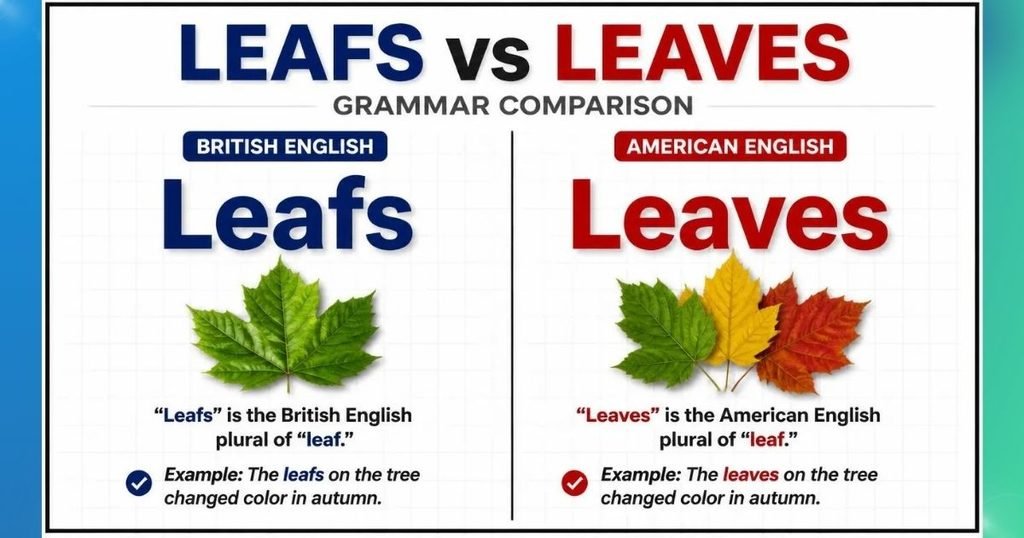
In botanical contexts, this term is commonly associated with the lushness and vitality of flora. On the other hand, “leafs” serves as the third person singular verb form of “to leaf,” meaning to turn pages in a book or to flutter through a stack of documents.
How Do You Spell Leaves?
The answer may seem straightforward, but the word often sparks curiosity, especially when considering its homophones and various meanings.
“Leaves,” spelled L-E-A-V-E-S, is the plural form of “leaf,” referring to the green, flat parts of a plant, crucial for photosynthesis and typically associated with the changing colors of the seasons.
Some may confuse it with “leaves” as a verb, meaning to depart or go away, which adds an intriguing layer to its usage in everyday language.
British English Pronunciation
In British English pronunciation, the distinction between leafs vs leaves can lead to some intriguing nuances.
“Leafs,” the plural form of “leaf,” reflects a straightforward pluralization that often sparks curiosity among English language enthusiasts.
On the other hand, “leaves” not only serves as the present tense of the verb “to leave” but also denotes the plural form of the noun “leaf.”
This duality can sometimes be confusing, especially for learners trying to navigate the subtleties of British English pronunciation.
American English Pronunciation
In American English pronunciation, the words “leafs” and “leaves” highlight the intriguing nuances of the language.
The distinction between these terms illustrates not only differences in meaning but also the playful complexity of English phonetics.
“Leafs” is the plural form of “leaf,” referring to the green structures on trees that capture sunlight for photosynthesis.
In contrast, “leaves,” pronounced with a long “ee” sound, is the third person singular form of “leave,” meaning to depart or go away.
Leaf Plural Form
When discussing the leaf plural form or answering the question: what is the plural of leaf?, it’s fascinating to note how language evolves alongside our understanding of nature.
The word “leaf” transforms into “leaves” in its plural form, illustrating not only linguistic rules but also the intricate beauty of plant life.
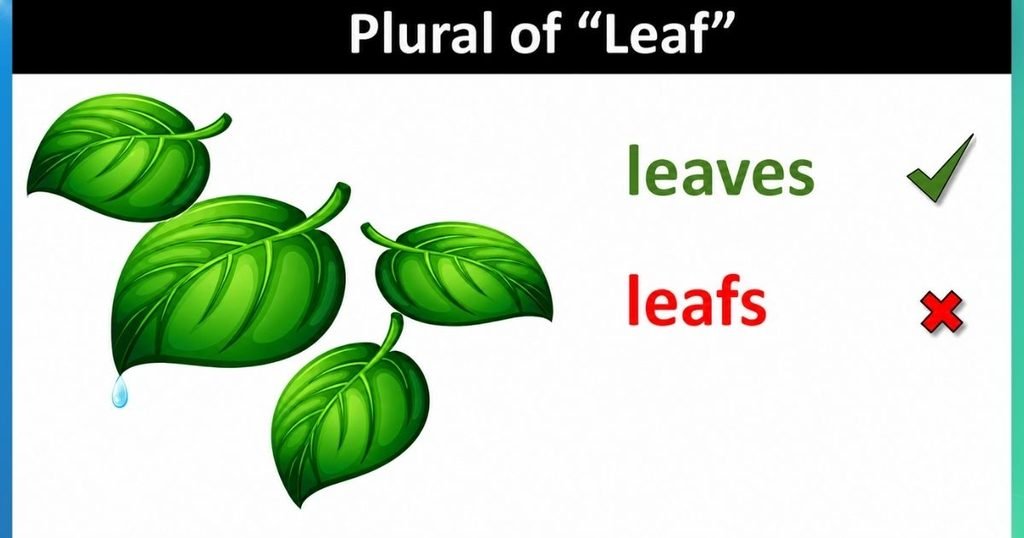
This transition can inspire readers to appreciate the diversity found in foliage, whether in a lush forest or a simple garden.
Is it Leafs or Leaves: What’s the Difference?
When exploring the terms “leafs” vs. “leaves,” the difference boils down to both grammar and context.
“Leaves” serves as the plural form of “leaf,” referring to the flat, green structures found on plants.
“Leafs” is often used in specific contexts, such as sports, particularly in reference to the Toronto Maple Leafs.
This distinction highlights not just a difference in plurality but also reflects how language evolves based on cultural associations.
Short Comparison Between Leafs Vs Leaves
| Term | Grammatical Role | Common Usage | Examples |
| Leafs | Proper noun | Names, trademarks, team names | Toronto Maple Leafs, brand names |
| Leaves | Standard plural form | Botany, idiomatic expressions, writing | Autumn leaves, turning over a new leaf |
More Meaning of Different Words
- Caliber vs. Calibre: While both spellings denote the same concept, caliber is the American English variant, and calibre is used in British English.
- Training or Trainning: Often regarded as a simple misspelling, “training” can spark discussions around the importance of clear communication.
- Hussle Vs Hustle: Emanating from the hustle culture, this variant captures more than just hard work.
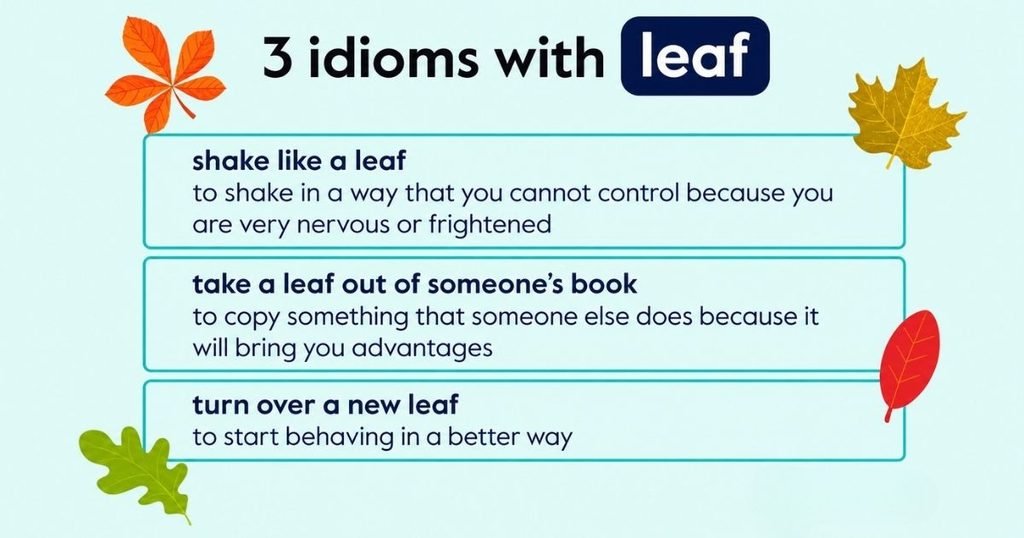
Idioms and Expressions Involving “Leaves”
Exploring idioms and expressions involving “leaves” reveals the rich interplay between nature and language.
- Turn over a new leaf
- To leave no stone unturned
- A leaf in the wind
- Like two leaves on a tree
- To take a leaf out of someone’s book
- To leave someone in the dust
- Fall from grace like an autumn leaf
Conclusion
Mastering the distinction between leafs or leaves can significantly enhance your writing skills and comprehension.
By recognizing that “leaves” is the more commonly used plural form while “leafs” has its niche applications, you equip yourself with the knowledge needed for accurate expression.
FAQs
Is It Leafs Or Leaves?
The correct term is “leaves” when referring to the plural form of a leaf, which is the flat, green part of a plant or tree. The term “leaf” has an irregular pluralization, and like many other English words, it doesn’t simply add “s” or “es” to become plural. In contrast, “leafs” is not accepted in standard English usage, especially in botanical contexts.
Which Is Correct Leaves Or Leafs?
The correct term depends on what you are referring to. “Leaves” is the plural form of the word “leaf,” which describes the green, flat structures on plants and trees that are essential for photosynthesis.