Caliber or Calibre – Difference & Meaning
Have you ever paused to wonder why “caliber” or “calibre” exist in our language, and whether they mean the same thing? This seemingly simple term carries different connotations across the globe, making it essential for effective communication.
We will break down the definitions and contexts where each variation is used. You’ll leave with a clearer understanding of how this word can be applied in various fields, enhancing your language skills and knowledge.
Meaning of Calibre
First things first, let’s define the word “calibre,” shall we? It’s a term that refers to the quality or level of someone’s ability, skill, or character. This concept extends beyond mere competence; it’s about excellence that stands out in a crowded field.
When you hear someone described as a professional of the highest calibre, it signifies that they not only possess impressive skills but also embody the traits that set leaders apart from the rest. Such a distinction adds a layer of prestige to their work, making it meaningful in professional and personal contexts.
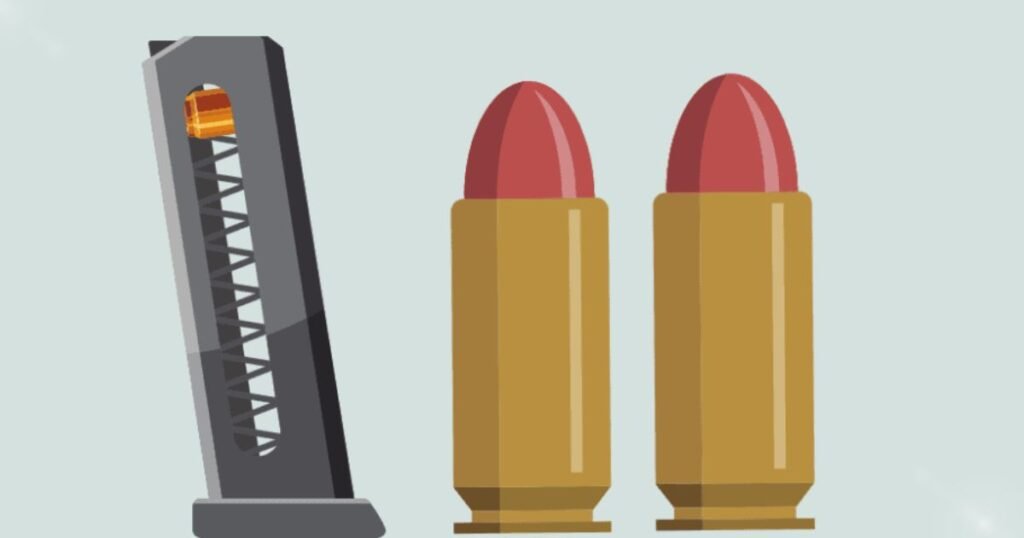
The term has a distinct and vital application in the realm of firearms. Caliber can also be used to describe the size of the bore, or the inside diameter of a firearm or the ammunition.
Caliber vs. Calibre
Now, onto the big question. Is it caliber or calibre? In English, both words mean the same thing, and there’s literally no difference in meaning between them. The only difference is in spelling, and the culprits are, you guessed it, American and UK spelling preferences. Interestingly, this divergence goes beyond just a single word.
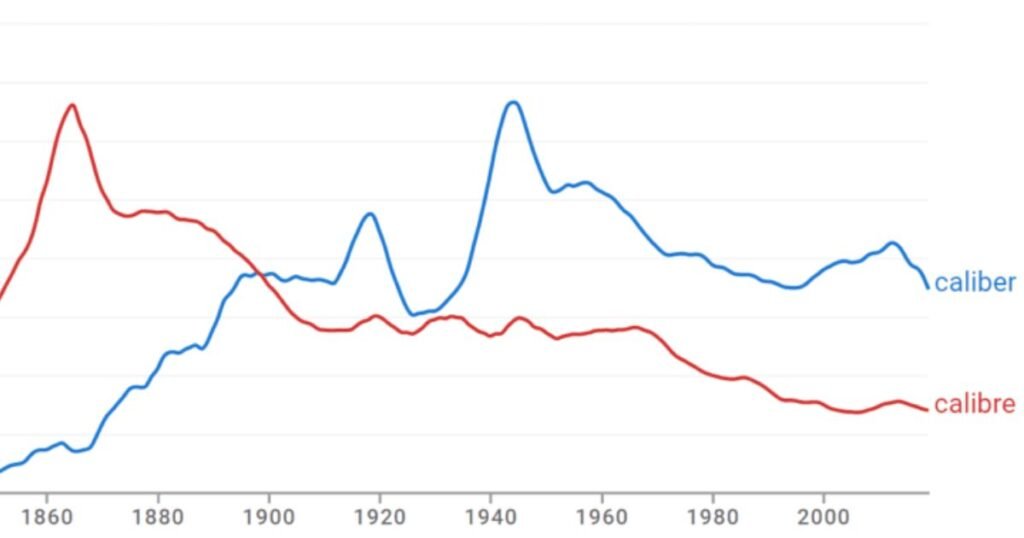
In America, you’ll find that caliber with an ER at the end is preferred, aligning with a general inclination towards simpler, more phonetic spelling. This choice resonates with educators and students alike, making it easier to learn and remember.
Is It Higher Caliber or Calibre?
When considering whether to use “higher caliber” or “higher calibre,” it’s essential to recognize the context in which you’re writing. As I said, there’s no difference in the meaning, so you could say higher caliber or higher calibre.
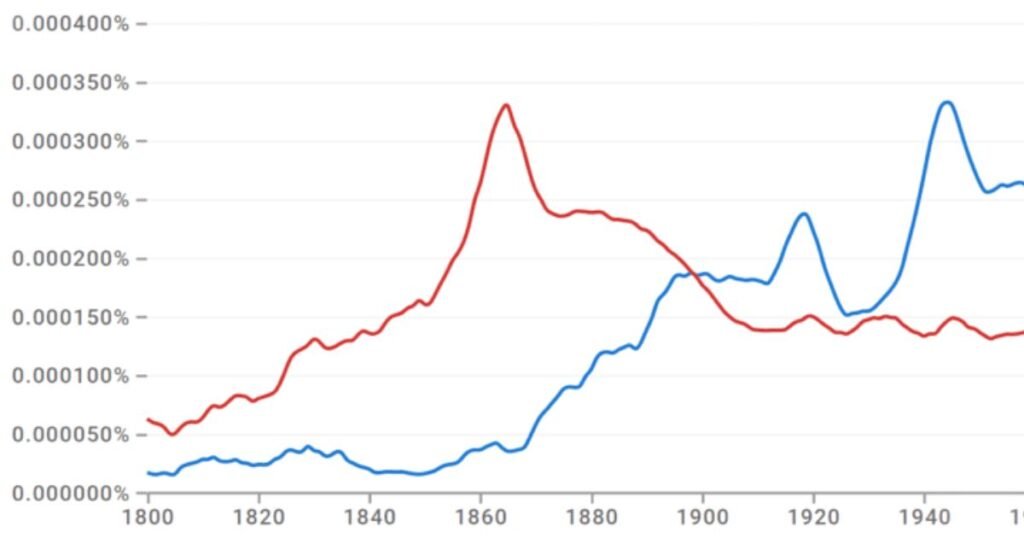
The spelling can subtly influence how your message is perceived. Using “caliber” might resonate more with an American audience, while “calibre” aligns with British English conventions.
If you’re ever stuck and can’t decide which to use, just know that the spelling of caliber is more widely used around the world, especially in professional and academic settings. Choosing the right spelling can enhance clarity and ensure your communication is effectively tailored to your audience, thus enriching the reader’s experience.
Read More: Glizzy Meaning.
What Are the Synonyms of Caliber?
That’s easy! any word that means excellence.
- Quality
- Level
- Standard
- Ability
- Talent
- Worth
- Stature
What Is the Plural of Calibre?
The plural form of “calibre” is “calibres” in British English and “calibers” in American English, illustrating not just a linguistic divide but also the cultural contexts in which these terms are used.
How to Use Caliber in a Sentence
- When discussing hiring practices, “The company only hires employees of a certain college-level caliber” illustrates a selective recruitment process, emphasizing the significance of educational background in determining an employee’s fit within the organization.
- In personal relationships, saying, “If I had known my husband came from such a caliber lineage, I may not have married him,” highlights the impact of family status and expectations. It showcases the burden that can come with high social standing, leading one to feel inadequate.
- In sports, the term takes on a different nuance; “He’s a championship-caliber player, for sure,” conveys a standard of excellence and potential, underscoring the high expectations placed on athletes in competitive environments.
- Celebratory events also demand a higher standard, as seen in the phrase, “You can’t just buy a grocery store cake for her birthday; she deserves the highest caliber birthday cake for the big ten.” This reflects the sentiment that milestones warrant exceptional recognition and quality.
- Artistic pursuits echo this sentiment as well. “My artist husband only uses art supplies of a higher caliber in quality,” reveals how the choice of tools can reflect an artist’s commitment to excellence, shaping both the creation process and the final outcome.
How to Use Calibre in a Sentence
- She has an average calibre.
- My favourite English author is Ruth Ware; she writes high calibre Thrillers set in the UK.
- Our Olde English Bulldog’s parents are both show dogs, so her genetics are of the best calibre for her breed.
- I only buy special edition books with custom sprayed edges, and they must be signed by the author; my personal library is the primo calibre.
Make Sure Your Writing Is the Highest Caliber!
Understanding your audience is crucial when crafting your narrative, especially regarding spelling conventions. So, go forth and use whichever spelling you prefer, but don’t forget what audience you’re writing for.
If you decide to employ British spelling for an American audience, be prepared for potential disconnection; subtle differences in language can disrupt the reading experience. Readers might feel as though they are encountering a barrier, pulling them out of the immersive journey you’ve worked hard to create.
Conclusion
The distinction between “caliber” and “calibre” primarily lies in their regional usage, with “caliber” being the preferred spelling in American English and “calibre” in British English and other Commonwealth countries. Both terms retain the same fundamental meaning, referring to the quality or capability of a person or thing, as well as the measurement of the diameter of a firearm’s barrel or ammunition.
Understanding the nuances of language can enhance one’s communication skills and appreciation for the richness of English. Whether you choose to use “caliber” or “calibre,” it is important to consider your audience and the context in which you are writing.