
What Kind of Vs What Kinds of: Easy Tips to Use Them Right
Have you ever found yourself second-guessing whether to say “what kind of vs what kinds of“? You’re not alone, many people struggle with this common grammatical dilemma.
We’ll break down the differences between these phrases, demystifying their usage with simple tips. Understanding these nuances will not only enhance your communication skills but also boost your confidence in writing and speaking.
Understanding the Basics: Singular vs. Plural
At the heart of language lies the distinction between singular and plural forms, a concept that transcends mere grammar rules and offers insight into how we perceive the world. The singular form represents one entity, encapsulating its essence, while the plural expands that essence to cover a multitude.

The evolution of language has made the singular and plural forms evolve alongside cultural shifts. In many languages, including English, irregular pluralization highlights unique historical contexts that “child” becomes “children” and “man” transforms into “men,” reflecting deeper societal structures. Singular and plural forms are not just about numbers; they are gateways to deeper comprehension and appreciation of our interconnected lives.
“What Kind of”: The Singular Inquiry
The phrase “What kind of” serves as an intriguing gateway into the complexities of human inquiry and understanding. It’s not merely a question but a lens through which we can dissect preferences, qualities, and categories that define our world.
- What kind of car do you drive?
- What kind of music do you enjoy listening to?
- What kind of food is your favorite?
“What Kinds of”: The Plural Exploration
The plural exploration of “what kinds of” opens a vibrant dialogue about the diverse categories that shape our experiences and perceptions. The pluralistic lens not only enriches our knowledge but also fosters empathy and understanding amongst diverse communities.
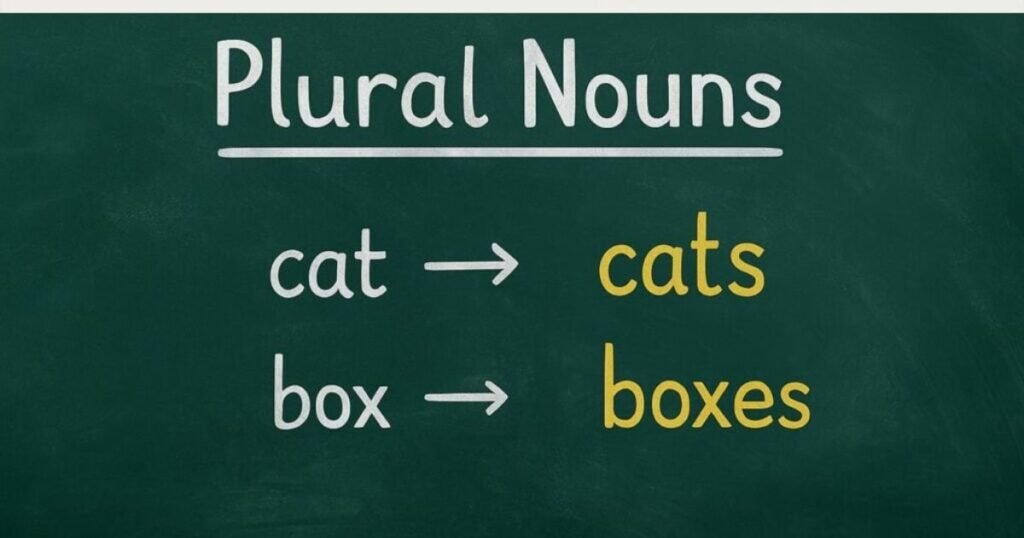
- What kinds of cars are popular in your country?
- What kinds of music do you have in your playlist?
- What kinds of foods do you enjoy cooking?
Contextual Usage: When to Use What Kind of Vs What Kinds of
Understanding the nuances of what kind of vs what kinds of is essential for effective communication. By choosing your words consciously, you not only convey your message more effectively but also shape the nature of the dialogue, guiding it towards either specificity or diversity.
Specific Inquiries
Understanding the distinction between “what kind of” and “what kinds of” is essential for clear communication. “What kind of” is used when inquiring about a singular class or category, prompting a response that delves into the specifics of one item or group.
“What kinds of” caters to a broader inquiry, suggesting multiple classes or varieties. It recognizes the diversity within a category, as in the question, “What kinds of cuisines have you tried?”
- What kind of phone do you have? (Expecting an answer like “iPhone” or “Samsung Galaxy”)
- What kind of pet would you like to adopt? (Anticipating a response such as “dog” or “cat”)
Broad Explorations
Understanding the distinction between “what kind of” and “what kinds of” can enhance clarity in communication, particularly in contexts where specificity matters. “What kind of” is ideal when referring to a singular category or type of something.
“What kinds of” opens the discussion to multiple categories, enriching the dialogue by allowing for a broader exploration of options. This subtle shift in phrasing not only reflects an awareness of complexity but also invites deeper engagement, encouraging individuals to share diverse experiences.
- What kinds of phones are available in the market? (Expecting a list of various brands and models)
- What kinds of pets are suitable for small apartments? (Anticipating multiple options like cats, small dogs, fish, etc.)
Common Mistakes and How to Avoid Them
When choosing which phrase to use, consider the noun that follows. “What kind of” is appropriate when referring to a singular noun, while “what kinds of” is necessary when addressing plural nouns. For instance, if you’re discussing a specific genre of music, you would say “what kind of genre,” whereas if you’re considering various genres, you’d opt for “what kinds of genres.”

A common mistake occurs when writers default to “what kinds of” even when discussing a singular subject. This not only disrupts the grammatical structure but can also confuse the reader.
- To avoid such errors, pause to identify whether your subject is singular or plural.
- Consider the context; using the correct phrase can add a layer of professionalism and precision to your writing.
Embracing this distinction will make your communication not only clearer but also more engaging to your audience.
Mismatching Singular and Plural
Mismatching singular and plural forms in writing can create confusion and distort the intended message. Understanding that collective nouns like “team” are typically treated as singular in American English can help craft sentences that resonate more effectively with varied readers.
Consider also the nuances in contexts where mismatched forms can enrich the text. Using plural forms for emphasis or stylistic reasons can create a layered meaning.
- Incorrect: What kind of books do you like to read?
- Correct: What kinds of books do you like to read?
- Incorrect: What kinds of car is that?
- Correct: What kind of car is that?
Confusion with Collective Nouns
When you ask “what kind of,” you typically have a singular noun in mind, like “a group” or “a flock.” For example, “What kind of bird is that?” implies you’re inquiring about a specific type within one collective entity.
“What kinds of” should be used when multiple varieties or units are involved, such as when exploring diverse categories within a larger group. For instance, you would correctly say, “What kinds of animals inhabit this region?” Avoiding these common pitfalls not only sharpens your language skills but also enhances clarity in communication, ensuring your audience grasps your intent without confusion.
Also read: Use of tying or tieing
Overlooking Context
- What kind of fruit do you like? (Asking about a preferred type of fruit)
- What kinds of fruits are in this salad? (Inquiring about the variety of fruits in a specific dish)
Practical Examples in Various Contexts
Understanding when to use “what kind of” versus “what kinds of” hinges on the context of your inquiry. Recognizing these nuances can enhance both your communication and your understanding in conversations, fostering connections through clarity and depth.

In Educational Settings
- What kind of degree are you pursuing? (Asking about a specific type of degree)
- What kinds of courses are offered in this program? (Inquiring about the variety of courses available)
In Professional Environments
- What kind of experience do you have in marketing? (Seeking information about specific experience)
- What kinds of skills are required for this position? (Asking about multiple skills needed)
In Everyday Conversations
- What kind of movie do you want to watch tonight? (Asking about a specific genre or type)
- What kinds of activities do you enjoy on weekends? (Inquiring about various leisure activities)
Enhancing Your Language Skills
When it comes to enhancing your language skills, understanding the nuances between “what kind of” and “what kinds of” can significantly deepen your grasp of English. “What kind of” is typically used when referring to a singular category or type, thereby prompting specificity.

“What kinds of” opens the door to a broader exploration, making it ideal for inquiries involving multiple categories or suggestions. This subtle shift not only enhances clarity in communication but also enriches your vocabulary, as you learn to articulate your thoughts with precision and flair.
Advanced Uses and Exceptions
When distinguishing between “what kind of” and “what kinds of,” one must consider context to navigate the nuances of usage. “What kind of” typically refers to a singular category or type, creating a sense of specificity.
In contrast, “what kinds of” elevates the conversation to encompass multiple categories. This distinction becomes particularly important in fields like research or data collection, where clarity on whether one is addressing a single entity or a range of options can influence analysis and outcomes.

The exceptions to these rules often arise in colloquial speech, where people may employ “what kinds of” even when referencing a singular item for emphasis or rhetorical effect. Such flexibility demonstrates the evolving nature of language, whereby the choices we make can subtly reflect our communicative intentions.
Uncountable Nouns
- What kind of music do you listen to? (Correct, even though “music” encompasses various genres)
- What kind of information do you need? (Correct, as “information” is uncountable)
Collective Nouns Revisited
- What kind of team are you looking for? (Treating the team as a single unit)
- What kinds of players make up a successful team? (Focusing on the individual members)
Abstract Concepts
- What kind of love do you think lasts forever? (Treating love as a concept)
- What kinds of love exist in human relationships? (Exploring different types of love)
Contextual Nuances
Understanding the distinction between “what kind of” and “what kinds of” hinges on the context in which they’re used. “What kind of” typically refers to a singular type or category of something, helping to specify a particular quality or feature.
“What kinds of” opens the door to a broader exploration. This plural form emphasizes variety and complexity, highlighting that the subject is not confined to a single narrative.

The choice between these phrases can dramatically shift the dynamics of conversation, guiding it towards either specificity or a more expansive discourse. Understanding these nuances enhances clarity and enriches communication.
- What kind of person are you? (Asking about overall character or personality)
- What kinds of people do you enjoy spending time with? (Inquiring about various personality types)
Cultural and Regional Variations
Language nuances can reveal much about cultural and regional identities, particularly in the simple choice between “what kind of” and “what kinds of.” In American English, “what kind of” often implies a singular focus, steering the conversation towards a specific category.

- In some British English contexts, you might hear “What sort of” used similarly to “What kind of.”
- In specific informal American English settings, “What type of” might be used interchangeably with “What kind of.”
Practical Applications in Writing and Speaking
Understanding the distinction between “what kind of” and “what kinds of” can significantly enhance clarity and precision in both writing and speaking. “What kind of” is typically employed when referring to a singular category or type, which focuses the listener’s attention on one specific idea or characteristic.

“What kinds of” introduces a plural concept, allowing the conversation to explore multiple categories or variations. This subtle choice not only shapes the flow of dialogue but also reflects an understanding of the nuances in communication.
Academic Writing
- “What kind of impact does social media have on adolescent mental health?” (Focusing on the nature of the impact)
- “What kinds of interventions are effective in promoting positive mental health among adolescents?” (Exploring various types of interventions)
Business Communication
- “What kind of budget are we working with for this project?” (Asking about the overall budget)
- “What kinds of expenses should we anticipate?” (Inquiring about various types of expenses)
Journalistic Writing
- “What kind of statement will the company release?” (Asking about the nature of a single statement)
- “What kinds of reactions have you received from the public?” (Exploring various types of reactions)
Enhancing Your Questions
When distinguishing between “what kind of” and “what kinds of,” it’s essential to recognize the nuances in plurality and specificity. “What kind of” is used when inquiring about a singular category, thus prompting a more focused response.

“What kinds of” opens the door to multiple categories and broadens discussion. This phrasing is particularly useful when the subject at hand encompasses a variety of options.
- Be specific: Instead of “What kind of food do you like?” Try “What kind of cuisine do you prefer for special occasions?”
- Use follow-up questions: After asking, “What kinds of books do you enjoy?” you might follow up with, “What kind of impact has your favorite book had on you?”
- Combine with other question words: “In what kinds of situations do you feel most confident, and why?”
- Consider the scope: “What kind of long-term effects might this decision have?” versus “What kinds of immediate changes can we expect?”
Common Related Phrases
- “Which type of” / “Which types of”
- “What sort of” / “What sorts of”
- “What variety of” / “What varieties of”
Practicing Your Skills
Practicing your skills in differentiating “what kind of” from “what kinds of” is essential for precise communication. When referring to a single item, “what kind of” is your go-to expression. “What kinds of” opens the door to plural exploration.

By practicing these distinctions, you not only enhance your grammar but also enrich your ability to engage meaningfully with others, making your dialogues more dynamic and targeted. Remember, the right choice can change the entire direction of a conversation, making clarity and intention key in effective communication.
- Asking about someone’s ideal job
- Inquiring about a city’s tourist attractions
- Exploring different types of renewable energy
- Discussing various learning styles
- Investigating different forms of art
The Importance of Context
Understanding the distinction between “what kind” and “what kinds” is rooted in context, influencing clarity in communication. The singular form, “what kind,” is used when referring to a specific category or type, inviting a focused response. “What kinds” expands the inquiry, suggesting multiple categories and inviting a broader perspective.

The importance of context also extends beyond the grammatical structure to the nuances of conversation. In certain discussions, a singular focus might convey purpose and directness, especially in scenarios that require concise answers.
- “What kind of solution are you proposing?” (Expecting a single, comprehensive solution)
- “What kinds of solutions have you considered?” (Inviting a discussion of multiple options)
The Role of Tone and Formality
The distinction between “what kind of” and “what kinds of” can significantly influence the tone and formality of your writing. When you opt for “what kind of,” you often convey a sense of singularity and focus, which can create an intimate, more personal tone. This phrasing is particularly effective in scenarios where a specific example or a unique characteristic is being highlighted.

Using “what kinds of” implies a broader scope, suggesting a variety of options or perspectives. This phrasing is more appropriate in formal contexts where multiple classifications are under consideration.
In academic writing or analytical discussions, asking “what kinds of challenges exist” opens the floor to a wider discussion, inviting an exploration of various factors or categories. Thus, understanding when to employ each phrase can enhance your communication.
- In formal writing or speech, adhering strictly to the singular/plural distinction is advisable.
- In casual conversation, you might find native speakers using these phrases more interchangeably, especially with uncountable nouns.
Beyond English: A Universal Concept
When exploring the phrase “what kind of,” it’s essential to recognize its singular nature, directing us toward a specific category or type. This phrase often sets the stage for deeper conversations about preferences, characteristics, or even cultural interpretations.

“What kinds of” opens the door to a broader spectrum of options, hinting at diversity within a subject. This plural form encourages a more expansive dialogue, allowing for the exploration of intersections between various interests be it art, sport, or cultural practices.
- In Spanish: “Qué tipo de…?” (singular) vs. “Qué tipos de…?” (plural)
- In French: “Quel genre de…?” (singular) vs. “Quels genres de…?” (plural)
Conclusion
Understanding the difference between “what kind of” and “what kinds of” is essential for effective communication. Using “what kind of” when referring to a singular noun helps clarify your intent, while “what kinds of” is appropriate for plural subjects.
By following these guidelines, you can enhance your writing and make your questions and statements clearer. Practicing these tips will not only improve your grammatical accuracy but also boost your confidence in using English.
FAQs
Which Kind Or What Kind Is Correct?
“What kind” is generally used when you are inquiring broadly about a type or category of something. “Which kind” is typically used when the options are limited or specified.
When To Use Kind vs Kinds?
“Kind” is used when talking about a single category or type of something. “Kinds” is the plural form and is used when you’re referring to multiple categories or types.