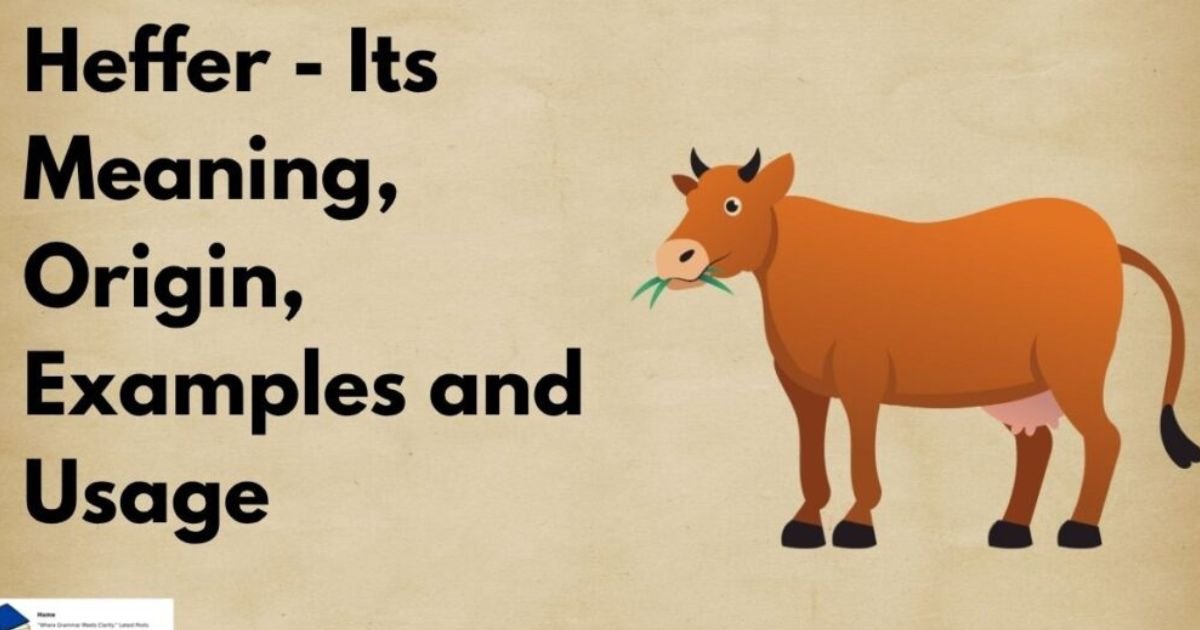
Heffer – Its Meaning, Origin, Examples and Usage
The word “heffer,” often confused with its more common counterpart “heifer,” has intriguing ties to agricultural cultures and livestock terminology. Understanding this term not only enriches your vocabulary but also connects you to the world of farming and animal husbandry. We will delve into the meaning, origin, and practical usage providing you with examples that highlight its relevance in both modern and historical contexts.
The Meaning of Heffer
This term often evokes imagery of large, robust cattle, but its evolution in contemporary vernacular speaks to deeper societal themes. Initially derived from “heifer,” referring to a young female cow, the word has been adopted in some circles as a playful, albeit sometimes derogatory, expression to describe individuals, often women, who defy conventional beauty standards.
This transformation sheds light on how language can shape perceptions, exposing the often harsh judgments individuals face based on their appearance or size.
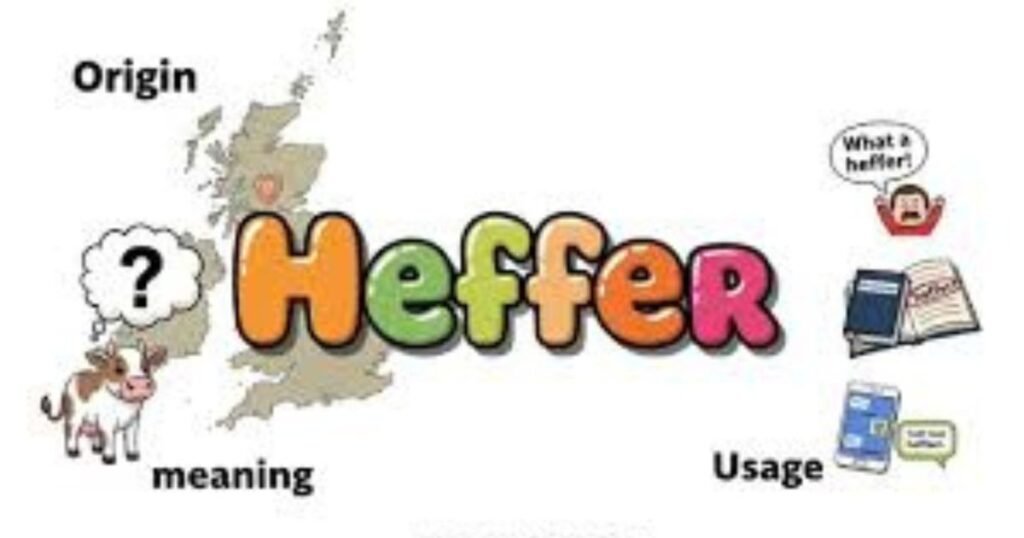
While some might use it” as an insult, others reclaim it, using it to celebrate body positivity and challenge societal norms. This reclamation reflects broader movements that advocate for self-acceptance and inclusivity, reminding us that our definitions should not be dictated by narrow ideals.
As conversations about body image progress, such terms highlight the ongoing struggle against stereotypes and encourage a more compassionate understanding of beauty in all its forms.
Examples
This archetype serves as a powerful reminder that our differences can be our greatest strengths, so here are some examples:
1. Literal Meaning (Cattle)
- “The farmer purchased a young heifer to add to his herd.”
- “A heifer is a female cow that hasn’t calved yet.”
- “The heifer grazed peacefully in the meadow, unaware of the auction scheduled next week.”
2. Slang Usage
- “Don’t be such a heffer; share the snacks!”
- “The coach told us to stop eating like a bunch of heffers before the big game.”
Pop Culture (as a nickname or informal usage)
- “Did you see that character on the old Nickelodeon show Rocko’s Modern Life? His name was Heffer Wolfe!”
- “Heffer is such a funny name for a goofy character like that.”
. Humorous/Innocuous Use
- “We named our cow Heffer because it’s easy for the kids to remember.”
- “The dog’s so big, we started calling her Heffer as a joke.”
Other Ways to Say
| Word | Meaning |
| Big-boned | Having a large bone structure or frame. |
| Plump | Slightly fat in a way that is considered attractive or healthy. |
| Sturdy | Strong and solidly built; physically robust. |
| Husky | Big, strong, and broad, often with a deep or rugged quality. |
| Well-rounded | Having a full, pleasing, or balanced figure; proportionally built. |
| Thickset | Solidly and compactly built; broad and strong-looking. |
| Hefty | Heavy and powerful; often used to describe a large build. |
| Stocky | Short, solid, and thick in build. |
| Chubby | Slightly overweight in a soft, rounded way. |
| Solid | Strong, well-built, or substantial in structure. |
| Robust | Strong, healthy, and vigorous in build or constitution |
| Rotund | Round or spherical in shape, often referring to a plump body. |
| Bulky | Large and heavy; taking up significant space. |
| Full-figured | Having a larger but well-proportioned body, typically referring to women. |
| Broad-shouldered | Having wide shoulders, often indicating strength or athleticism. |
| Portly | Stout or somewhat overweight, often with a dignified or grand bearing. |
| Heavyset | Having a large, solid, or stout build. |
| Burly | Strong, muscular, and heavy. |
| Well-built | Having an attractive, solid, or muscular physical structure. |
Read More: Glizzy Meaning
Origins
Its origin can be traced back to a confluence of cultural and artistic movements, which blended to create an engaging landscape for creativity. In the early 20th century, the rise of modernism redefined artistic expression, inviting a myriad of perspectives and practices.
This ethos of experimentation paved the way for this word to emerge, firmly rooted in its commitment to both innovation and quality. It became not just a publishing house but a beacon for literary exploration, championing voices that challenged societal norms.
It’s unique approach to publishing was informed by a philosophy that emphasized discovery over conformity. The organization became a fertile ground for diverse narratives that resonated with contemporary readers. Through its commitment to inclusivity, This word has fostered a sense of community among writers and readers alike, making it a key player in shaping cultural discourse.
Conclusion
This term carries a rich history and multifaceted meanings, from its biological roots to contemporary slang usage. Understanding its origins enhances our appreciation for language evolution and its social implications. Recognizing the diverse contexts in which it is employed allows for more effective communication and avoids potential misunderstandings. Whether used humorously or critically, this word reflects cultural attitudes and perceptions.